
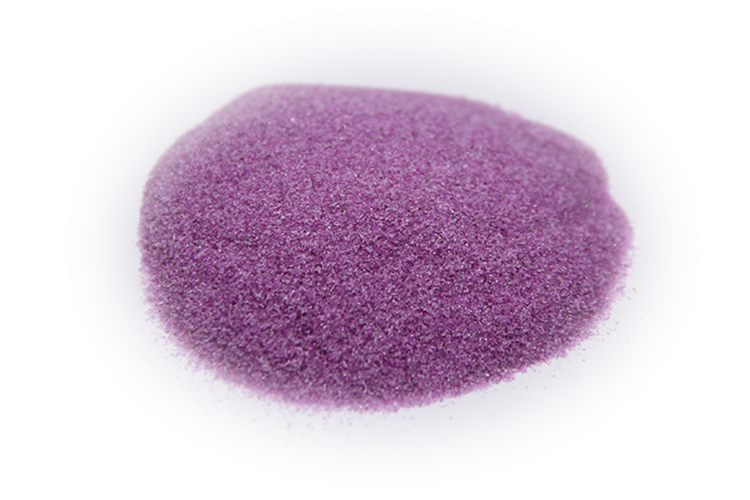
In the evolving landscape of refractory and abrasive raw materials, Boron Carbide continues to play a significant role due to its exceptional properties and diverse industrial applications. As demand fluctuates in response to market dynamics, understanding the factors influencing the cost of Boron Carbide is essential for manufacturers, traders, and end-users alike. This article provides an overview of the current trends in Boron Carbide pricing while highlighting the importance of high-quality refractory materials produced through advanced technology and stringent quality control.
### Understanding Boron Carbide and Its Applications
Boron Carbide (B4C) is one of the hardest materials available, ranking just below diamond and cubic boron nitride. It is renowned for its high hardness, low density, chemical stability, and excellent resistance to wear and corrosion. These characteristics make Boron Carbide a critical component in a variety of industries including:
- Abrasives: Used in sandblasting, grinding, polishing, and cutting due to its hardness.
- Armor: Utilized in the fabrication of lightweight, bulletproof vests and vehicle armor.
- Nuclear industry: Applied as a neutron absorber in control rods.
- Refractories: Incorporated into high-temperature resistance materials to withstand extreme conditions.
- Semiconductor and electronics sectors.
The multifaceted uses of Boron Carbide ensure its persistent demand in both mature and emerging markets.
### Current Market Trends Affecting Boron Carbide Cost
The cost of Boron Carbide is influenced by a complex interplay of factors such as raw material availability, production technology, energy costs, and global supply chain stability.
1. **Raw Material Availability:** The primary raw materials for Boron Carbide production include boron and carbon, which must meet stringent purity criteria. Variability in mining outputs and geopolitical factors in key mining regions impact availability, influencing price trends.
2. **Production Technology:** Advancements in manufacturing processes, such as carbothermal reduction and direct synthesis techniques, improve yield and purity, leading to cost efficiencies. However, the adoption of modern technologies requires significant capital investment, affecting pricing structures in the short term.
3. **Energy Prices:** Boron Carbide production is energy-intensive, requiring high-temperature furnaces and specialized equipment. Fluctuations in electricity and fuel costs directly contribute to the cost per unit.
4. **Global Supply Chain and Demand:** The fluctuating demand from end-use industries, combined with shipping constraints and international trade policies, creates volatility in pricing. Periods of high demand, especially in electronics or defense sectors, tend to push prices upward.
### Quality and Innovation at the Forefront of the Refractory Industry
In this competitive market, companies that emphasize quality, innovation, and reliability distinguish themselves. A notable example is a manufacturer and trader with over 20 years of experience in the refractory and abrasive raw materials sector. This company has established its reputation through the production of a series of high-quality refractory materials, leveraging advanced science and technology alongside modern equipment.
The company's strict process management and control ensure consistent product performance and reliability. Their investment in research and development enables them to respond swiftly to industry needs, offering customized solutions that meet the rigorous demands of various applications, from industrial furnaces to advanced protective coatings.
### The Role of Advanced Technology and Process Management
The production of refractory materials, including Boron Carbide composites, involves several critical stages such as raw material selection, precise formulation, high-temperature processing, and meticulous quality testing. Employing state-of-the-art technology in each step optimizes production efficiency, enhances material properties, and reduces defects.
Strict process control is equally vital. It encompasses real-time monitoring, quality assurance protocols, and compliance with international standards. This rigorous approach not only guarantees superior product consistency but also builds long-term trust with industrial clients who rely on dependable materials to maintain their operational integrity.
### Outlook and Future Prospects
As industrial applications continue to diversify and innovate, the demand for Boron Carbide and other refractory materials is expected to grow. Emerging fields such as renewable energy, electric vehicles, and advanced electronics present new opportunities for specialized refractory solutions that offer improved performance under challenging conditions.
At the same time, market participants must navigate cost pressures by optimizing supply chains and adopting sustainable practices. Companies with deep expertise, strong technological foundations, and a commitment to quality are likely to thrive in this environment.
### Conclusion
The cost of Boron Carbide reflects a myriad of factors that impact the global refractory and abrasive raw materials industry. Its unique properties and broad applicability secure its position as an essential material across numerous sectors. Experienced manufacturers that integrate advanced science, modern equipment, and strict process control play a crucial role in maintaining high standards and supporting industrial growth.
As the market evolves, the balance between innovation, quality, and cost-efficiency will be central to meeting customer expectations and driving sustainable development in the refractory materials landscape. Industry stakeholders are encouraged to stay informed about material trends and forge strategic partnerships that leverage expertise for mutual success.