
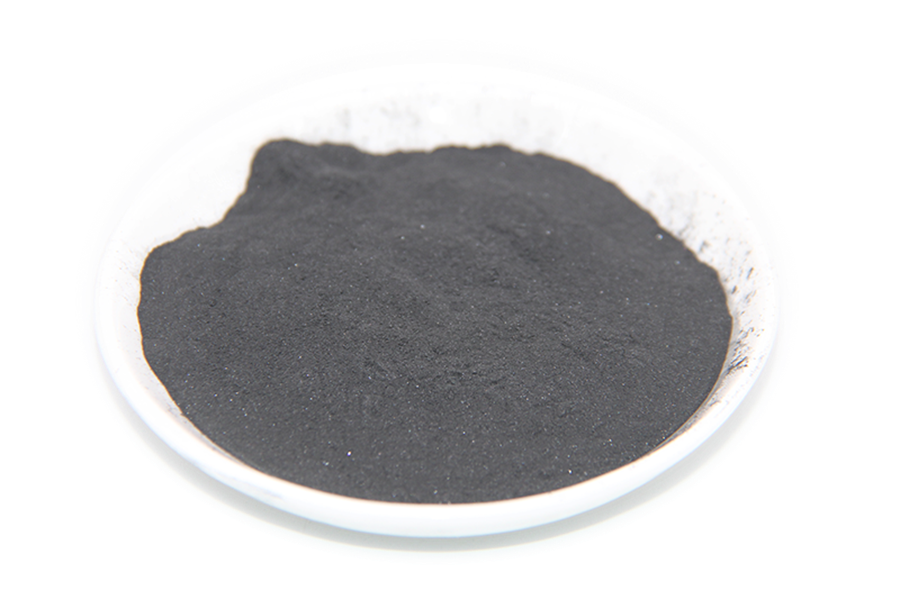
Boron carbide, a highly versatile and essential material in various industrial applications, continues to attract significant attention in the global market. Known for its exceptional hardness, chemical stability, and lightweight properties, boron carbide is a critical component in sectors such as defense, abrasives, nuclear industry, and advanced ceramics manufacturing. As demand for superior materials increases across these industries, understanding the pricing dynamics of boron carbide per kilogram becomes crucial for manufacturers, suppliers, and end-users alike.
### The Importance of Boron Carbide in Industry
Boron carbide (B₄C) ranks among the hardest materials on the Mohs scale, only surpassed by diamond and cubic boron nitride. Its impressive hardness combined with low density and high melting point makes it ideal for ballistic armor, abrasive blasting media, grinding, and cutting tools. Furthermore, boron carbide's neutron absorption properties make it indispensable in nuclear reactors as a control material.
The increasing application of boron carbide in advanced manufacturing and defense underlines the need for a stable, high-quality supply chain. This has resulted in more attention to the cost of boron carbide per kilogram, which varies based on purity, particle size, and supplier reliability.
### Current Trends Affecting Boron Carbide Pricing
The price of boron carbide per kilogram fluctuates depending on various factors including raw material availability, production technology, global demand, and geopolitical influences. In recent years, the rising demand for durable and lightweight composite materials in automotive and defense sectors has placed upward pressure on prices. Additionally, disruptions due to the global supply chain challenges and raw material scarcity have contributed to price volatility.
However, advances in manufacturing processes and the entry of experienced producers into the market have helped stabilize supply and offered competitive pricing. Efficient process management and high-quality production practices play a pivotal role in delivering value to customers while maintaining profitability.
### Industry Expertise and Product Quality
A key player in this sector is HENAN JUNSHENG REFRACTORIES LIMITED, a manufacturer and trader specializing in refractory and abrasive raw materials. With over 20 years of industry experience, the company has cultivated deep expertise in producing a wide range of refractory materials, including boron carbide powders.
HENAN JUNSHENG REFRACTORIES LIMITED differentiates itself through the integration of advanced science and technology, modern equipment, and rigorous process control. Their commitment to quality ensures that the boron carbide supplied meets stringent industry standards for purity, particle size distribution, and performance.
This focus on quality is essential, given that the performance of boron carbide in applications such as armor plating or abrasive blasting critically depends on its physical and chemical properties. By maintaining tight process management, the company ensures consistent batch-to-batch quality, which is crucial for end-users seeking reliability in their materials.
### Impact on Customers and Market Accessibility
For industries relying on boron carbide, price stability combined with assured quality can significantly influence project outcomes and production costs. Manufacturers and product developers appreciate suppliers that provide transparent pricing and technical support, enabling them to optimize their operations.
The pricing of boron carbide per kilogram from reputable manufacturers like HENAN JUNSHENG REFRACTORIES LIMITED remains competitive, reflecting both the sophistication of production and the economies of scale achieved. Transparent pricing models aid buyers in budgeting and forecasting demand effectively.
Moreover, ongoing research and development in boron carbide synthesis and post-processing may lead to novel forms such as nano-sized boron carbide or hybrid composites, potentially expanding the market reach and application horizons. Companies with strong R&D capabilities are thus well-positioned to drive innovation while balancing cost and performance.
### Future Outlook and Opportunities
As global industries increasingly adopt lightweight and high-strength materials for sustainability and efficiency, boron carbide’s role is expected to grow further. Innovations in sectors such as electric vehicles, aerospace, and personal protective equipment may open new avenues for boron carbide applications.
Maintaining a steady and affordable supply hinges on investments in manufacturing technology, raw material sourcing, and logistics optimization. Industry leaders with decades of proven experience, like HENAN JUNSHENG REFRACTORIES LIMITED, exemplify the direction the market needs—combining technical expertise with customer-centric approaches.
### Conclusion
In summary, the price of boron carbide per kilogram is shaped by an interplay of market demand, production capabilities, and material quality. The material’s unique properties ensure its continued importance across various high-performance applications. Companies with advanced technological infrastructure and stringent process management, exemplified by seasoned manufacturers, play a vital role in ensuring quality and cost-effectiveness.
As industries evolve and new challenges arise, the boron carbide market is poised for sustainable growth and innovation. Stakeholders focusing on quality supply and transparent pricing will be crucial enablers of this progress, meeting the needs of an increasingly sophisticated industrial landscape.