
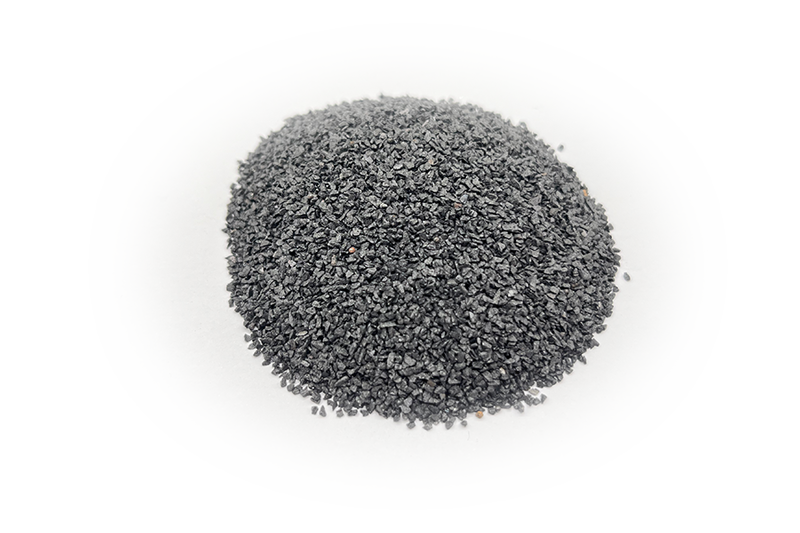
In the realm of industrial raw materials, alumina and aluminum oxide are terms often used interchangeably, yet they have subtle differences that are important for professionals across various sectors, including refractory and abrasive materials manufacturing. Clarifying these differences helps industries optimize their material choices for enhanced performance and cost-efficiency. With over 20 years of experience, a renowned manufacturer and trader specializing in refractory and abrasive raw materials sheds light on the distinctions between alumina and aluminum oxide, while highlighting their industrial applications.
### Company Introduction
With more than two decades of expertise, this company has established itself as a reliable supplier in the refractory and abrasive industry. Leveraging advanced science and technology, coupled with modern equipment and stringent process management, the manufacturer consistently delivers high-quality refractory materials. Their success is rooted in an unwavering commitment to innovation and quality control, enabling them to meet the evolving demands of global customers.
### Alumina and Aluminum Oxide: Chemical and Industrial Perspectives
At a fundamental level, alumina and aluminum oxide refer to the same chemical compound—Al₂O₃. This compound is an oxide of aluminum that exists naturally in corundum mineral form and is synthetically manufactured for diverse industrial applications. However, the context in which these terms are used often varies, leading to confusion.
**Alumina** typically refers to the industrial-grade substance derived from bauxite ore through the Bayer process. It’s the raw material from which aluminum metal is smelted but also serves as a crucial component in manufacturing refractories, abrasives, ceramics, and other high-performance materials. Alumina can exist in various crystalline phases, including alpha (α), gamma (γ), and delta (δ), each possessing different physical properties suited to specific industrial needs.
**Aluminum Oxide** generally denotes the compound in its purest crystalline form, often alpha-alumina, known for its exceptional hardness and thermal stability. This form is widely used as an abrasive material and a refractory due to its high melting point (about 2072°C) and chemical inertness.
### Key Differences Between Alumina and Aluminum Oxide
Despite their chemical identity, alumina and aluminum oxide differ in terms of purity, crystallinity, and application:
1. **Form and Purity:**
- Alumina products may contain impurities from the bauxite ore or through the manufacturing process, which can affect properties like melting point or hardness.
- Aluminum oxide, particularly in its synthetic pure alpha form, is characterized by a high degree of purity and precise crystallinity.
2. **Physical Properties:**
- Alumina powders used as raw materials often come in different particle sizes and phases, affecting their chemical reactivity and mechanical performance.
- Aluminum oxide’s alpha phase presents high density, excellent thermal conductivity, and robust mechanical strength pursued in advanced refractory linings and cutting tools.
3. **Industrial Applications:**
- Alumina is a general term embracing the raw and processed materials used across multiple industries, from metallurgy to ceramics.
- Aluminum oxide is specifically referenced when discussing high-performance abrasives, cutting tools, and premium refractory materials requiring stable and durable properties.
### Applications in Refractory and Abrasive Industries
The refractory and abrasive sectors frequently utilize alumina/aluminum oxide based raw materials, benefiting from their heat resistance and hardness:
- **Refractories:** Alumina-based refractories are integral in industries such as steel, cement, and glass manufacturing. Their high melting point and resistance to chemical attack ensure operational efficiency under extreme temperatures. The alpha phase aluminum oxide is particularly valued for critical linings in furnaces and kilns. The manufacturer’s commitment to integrating advanced science and strict process control ensures that customers receive refractory materials with high purity, tailored grain size, and optimal phase composition for superior performance.
- **Abrasives:** Aluminum oxide abrasives are indispensable in grinding, polishing, and cutting applications. High-purity, synthetic aluminum oxide grains deliver consistent hardness and sharpness for effective material removal. The company’s ability to produce a range of abrasive raw materials with precise granulometry and phase structure caters to diverse user requirements, from industrial machining to precision polishing.
### Innovation and Quality Control
The company’s over 20 years of operational excellence is anchored in embracing technological advancements and rigorous quality management. Utilizing state-of-the-art equipment, the company ensures that every batch of alumina or aluminum oxide meets stringent specifications, from chemical composition to physical characteristics. This approach minimizes defects and enhances product reliability, contributing to better lifecycle performance in refractory and abrasive applications.
Moreover, continuous research and development allow for the customization of raw materials, adapting particle size distributions, phase compositions, and purity levels to suit specialized industrial processes. This customer-centric flexibility is key in maintaining market leadership and fostering long-term partnerships.
### Future Outlook
As industries demand materials that can withstand higher temperatures and more abrasive environments, the role of alumina and aluminum oxide will become increasingly significant. Innovations in synthesis and processing techniques are expected to produce materials with enhanced structural stability, thermal resistance, and mechanical strength.
By combining extensive experience with progressive technology, the manufacturer is well-positioned to meet these future challenges. Their ongoing investment in scientific research and modern manufacturing infrastructure ensures they will continue to provide high-performance refractory and abrasive materials to worldwide customers.
### Conclusion
Understanding the nuances between alumina and aluminum oxide is crucial for industries that rely heavily on high-quality refractory and abrasive raw materials. Though chemically identical, their differences in purity, crystalline phase, and application highlight the importance of precise material selection.
With a solid foundation built over two decades, the manufacturer exemplifies reliability and innovation in delivering superior alumina and aluminum oxide products. Their dedication to strict process management, advanced technology, and customer-focused customization underscores their position as a leader in the refractory and abrasive raw materials market.
As industrial demands evolve, such expertise and quality assurance will remain vital in pushing the boundaries of material performance, ultimately supporting safer, more efficient, and sustainable industrial operations worldwide.