
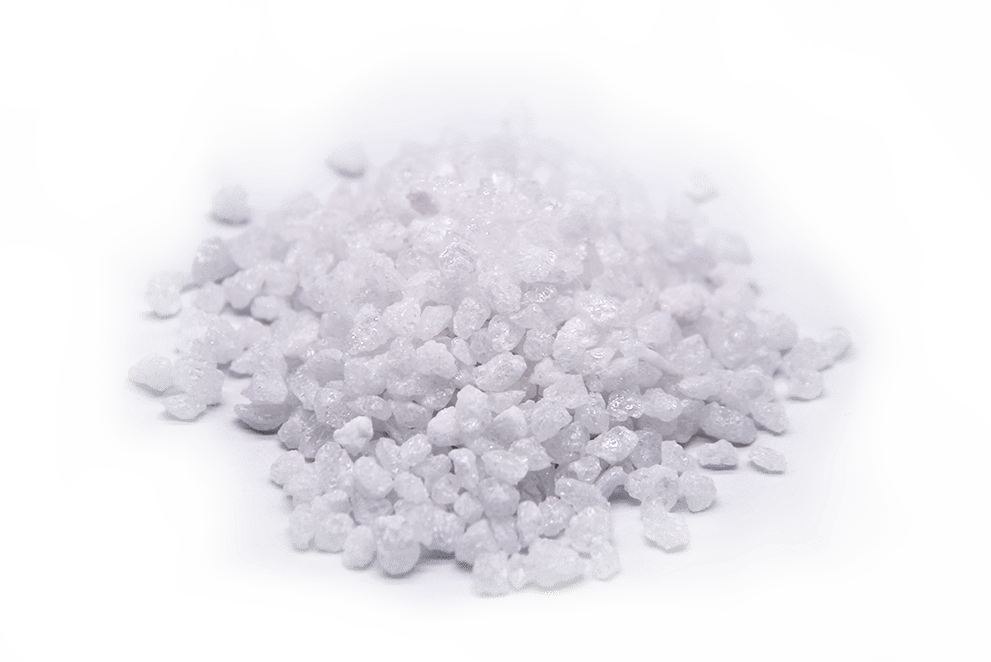
In recent developments within the refractory materials sector, a new product known as 5D 65 60BG has garnered significant attention due to its robust properties and versatile applications. This advancement reflects the continuous evolution of refractory technology, driven by cutting-edge scientific research, modern manufacturing techniques, and stringent quality controls. These innovations are pivotal for industries relying on materials that withstand extreme temperatures and harsh operational environments.
Refractory materials are indispensable components in various industrial processes, especially in metallurgy, ceramics, glass manufacturing, and petrochemicals. Their primary function is to line furnaces, kilns, incinerators, and reactors, where they must resist thermal degradation and chemical corrosion while maintaining structural integrity. The development of enhanced refractory solutions like 5D 65 60BG represents a leap forward in meeting these challenging demands.
One company at the forefront of this technological progression is a leading manufacturer and trader specializing in refractory and abrasive raw materials. With over 20 years of experience in the field, the company has established itself as a reliable provider of high-quality refractory products. Leveraging advanced science and technology, the corporation employs sophisticated manufacturing equipment and adheres to rigorous process management and control standards to ensure product excellence.
Their commitment to innovation and quality control has culminated in a series of superior refractory materials tailored to diverse industrial requirements. The continuously evolving product range addresses the need for heat-resistant, durable, and chemically stable materials that enhance furnace efficiency and longevity while reducing maintenance costs.
The 5D 65 60BG refractory material exemplifies these breakthroughs. Engineered through meticulous research and development, this product offers enhanced mechanical strength and resistance to thermal shock, making it particularly suitable for demanding thermal environments. Its composition and manufacturing process optimize the balance between toughness and refractory performance, resulting in a material that withstands rapid temperature fluctuations and aggressive industrial conditions.
Adopting this advanced refractory material provides several operational advantages. Improved heat resistance minimizes wear and degradation, extending the lifespan of furnace linings and reducing downtime. Additionally, the material's structural resilience contributes to safer operational conditions by minimizing the risk of catastrophic failures or structural collapse under intensive heat stress.
Moreover, the production capabilities of this seasoned manufacturer ensure that these materials are available in consistent quality and quantity, supporting large-scale industrial applications. The integration of modern equipment and sophisticated process control means that every batch meets stringent specifications, guaranteeing reliability and performance upon deployment.
Environmental and economic considerations also drive the utilization of high-performance refractory materials like 5D 65 60BG. By enhancing furnace efficiency and reducing the frequency of maintenance shutdowns, industries can achieve energy savings and operational cost reductions. Furthermore, the durability of such materials lessens waste generation and the need for frequent replacement, aligning with sustainable manufacturing practices.
The company's expertise extends beyond manufacturing, as it actively engages with industry partners to understand evolving challenges and customize solutions accordingly. This customer-centric approach has enabled them to maintain a competitive edge and foster long-term collaborations across various sectors reliant on refractory technology.
In summary, the introduction of innovative refractory materials such as 5D 65 60BG marks a significant advancement in the thermal materials industry. Backed by decades of experience and a robust manufacturing infrastructure, leading companies continue to push the boundaries of material science to deliver products that meet the rigorous demands of modern industrial processes. The ongoing commitment to research, quality control, and customer engagement ensures that the refractory materials sector remains dynamic and responsive to the future needs of high-temperature industries.
As industries worldwide strive for greater efficiency, safety, and sustainability, these developments in refractory materials stand as a testament to the crucial role of specialized manufacturers. Their contributions not only enhance operational capabilities but also support broader objectives of economic growth and environmental stewardship.