
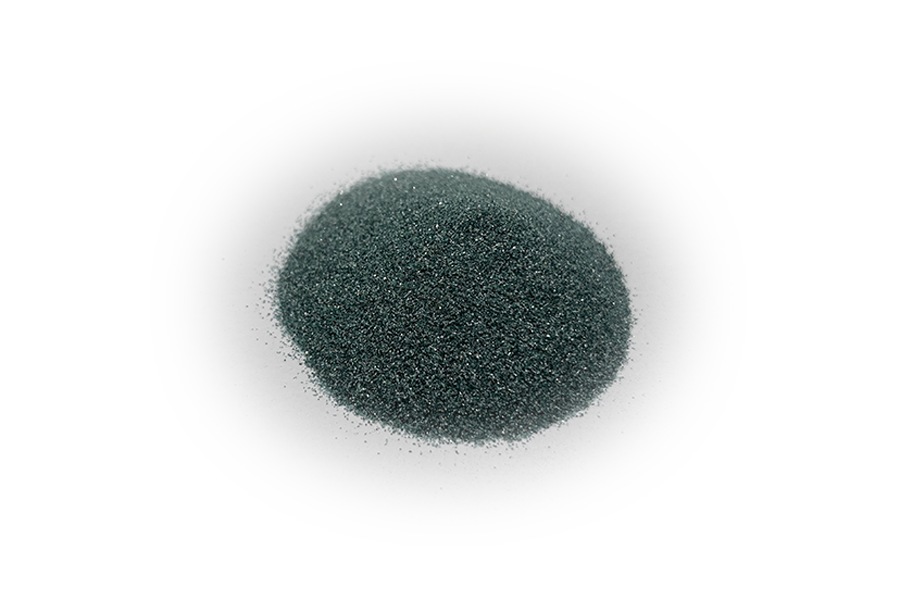
In the evolving landscape of refractory and abrasive raw materials, the integration of advanced steel fiber technology is setting new standards for performance and durability. Combining decades of expertise in refractory manufacturing with cutting-edge steel fiber solutions is paving the way for superior products that meet the rigorous demands of modern industrial applications.
One of the key innovations driving this transformation is the use of high-quality steel fibers designed to reinforce refractory materials. These steel fibers act as a micro-reinforcement, significantly improving the structural integrity and thermal shock resistance of refractories. Their application results in enhanced toughness, reduced cracking, and prolonged service life of refractory linings in furnaces, kilns, and other high-temperature processing equipment.
At the forefront of this advancement is a leading manufacturer and trader specializing in refractory and abrasive raw materials, boasting over 20 years of experience. The company has consistently leveraged advanced science and technology alongside modern equipment to produce an extensive range of premium refractory products. Their strict process management and quality control ensure that their materials meet the highest industry standards.
The combination of these refined manufacturing processes with the incorporation of steel fiber reinforcement represents a significant leap forward. Steel fibers are typically used in refractory castables, precast shapes, and monolithic linings, providing improved mechanical properties without compromising the material's thermal performance. This synergy is crucial in industries where operational reliability and longevity of refractory components are paramount.
One of the notable benefits of integrating steel fibers is the ability to withstand extreme thermal cycling. Refractory materials are frequently subjected to rapid temperature fluctuations, which can cause thermal shock and eventual failure. Steel fibers help absorb and distribute the stresses induced during these cycles, substantially mitigating crack formation and propagation. As a result, repairs and downtimes are minimized, leading to increased operational efficiency and cost savings.
Furthermore, steel fiber reinforced refractories exhibit superior abrasion and erosion resistance. In environments such as steel production, cement manufacturing, and petrochemical processing, refractory linings suffer from constant mechanical wear and chemical attack. The enhanced mechanical durability provided by steel fibers extends the lifespan of lining materials, reducing maintenance frequency and consumption of raw materials.
The commitment to quality starts at the raw material stage, where the company selects only superior refractory and abrasive inputs. Utilizing a robust supply chain and stringent inspection protocols, the materials undergo comprehensive testing to ensure consistency and compliance with application requirements. Advanced production equipment and controlled manufacturing environments further guarantee that each batch of refractory material brings exceptional performance characteristics.
Technology-driven innovation remains a cornerstone of the company’s philosophy. Investments in research and development have enabled the optimization of refractory formulations to maximize the benefits of steel fiber incorporation. Tailored solutions can be designed to cater to specific thermal, mechanical, and chemical conditions, providing customized products that fulfill diverse industry needs.
In addition to conventional steel fiber types, ongoing work focuses on exploring novel fiber geometries and coatings that enhance bonding with the refractory matrix, increase thermal stability, and resist oxidation. These improvements promise to extend the utility of steel fiber reinforced refractories into even more challenging applications.
By combining traditional craftsmanship with modern engineering and material science, the company continues to contribute significantly to the refractory sector. Their products not only reflect high quality standards but also embrace sustainability considerations by improving material efficiency and reducing resource consumption through longer service life and fewer replacements.
Applications benefiting from steel fiber reinforced refractory materials include steel ladles, torpedo cars, coke ovens, clinker coolers in cement plants, glass furnaces, and petrochemical reactors. In all these areas, the durability and reliability of the refractory lining directly influence operational safety and productivity.
Looking ahead, the integration of intelligent manufacturing processes such as automation and real-time quality monitoring is expected to further enhance product consistency and performance. Alongside this, the adaptation of digital technologies for material characterization and lifecycle assessment supports continual improvement and innovation.
In conclusion, the synergy between advanced steel fiber solutions and established refractory manufacturing expertise is shaping a new era in refractory material performance. This fusion addresses the critical industrial challenges of thermal resistance, mechanical strength, and longevity, providing end users with robust materials engineered for excellence. With a foundation built on over two decades of experience, this approach continues to foster sustainable growth and technological progress within the refractory and abrasive raw materials industry.
---
*This article highlights the importance of innovation in refractory materials production through the adoption of steel fiber technology, supported by an experienced manufacturer dedicated to delivering high-quality products that meet modern industrial demands.*