
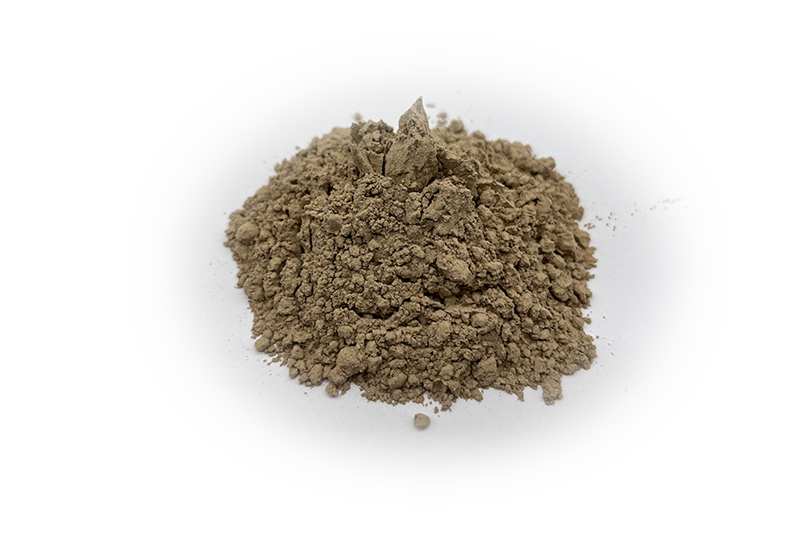
In the dynamic field of refractory materials, innovation and quality remain paramount. One of the latest advancements gaining considerable attention is the use of stainless steel fiber for refractory applications. This development represents a significant leap forward in enhancing the performance, durability, and efficiency of refractory products used in high-temperature industrial processes.
Refractory materials are critical components in industries such as metallurgy, glass manufacturing, cement production, and petrochemicals, where they serve to line furnaces, reactors, and kilns exposed to extreme temperatures and corrosive environments. The introduction of stainless steel fiber in refractory formulations is transforming these materials by imparting superior mechanical strength, thermal stability, and resistance to thermal shock.
### The Role of Stainless Steel Fiber in Refractory Technology
Stainless steel fiber is increasingly being integrated into refractory products as a reinforcing agent. Its unique properties offer several advantages:
- **Enhanced Mechanical Strength:** The fibrous structure of stainless steel markedly improves the tensile and flexural strength of refractory materials, enabling them to withstand mechanical stresses during high-temperature operations.
- **Improved Thermal Shock Resistance:** Stainless steel fibers help distribute thermal stresses more evenly within refractory linings, reducing the risk of cracking or spalling when subjected to rapid temperature fluctuations.
- **Corrosion and Wear Resistance:** The inherent corrosion resistance of stainless steel fibers contributes to the longevity of refractory linings in aggressive chemical environments, extending the service life of industrial equipment.
- **Dimensional Stability:** Incorporating stainless steel fibers reduces the shrinkage and deformation of refractory materials during high-temperature exposure, maintaining the integrity of the lining structure.
These benefits collectively enhance operational reliability, reduce maintenance downtime, and contribute to overall cost savings for industries relying on refractory technology.
### Industry Application and Benefits
Industries that operate with extreme thermal conditions stand to gain immensely from the adoption of stainless steel fiber-reinforced refractory materials. For instance, in steelmaking, the refractory linings in electric arc furnaces and ladles are prone to mechanical wear and thermal shock. The integration of stainless steel fiber in these linings not only improves their durability but also ensures consistent thermal insulation, thus optimizing energy consumption.
Similarly, in cement production, rotary kiln linings benefit from the enhanced resistance to abrasion and chemical attack provided by stainless steel fibers, resulting in longer service life and reduced risk of production interruptions.
### Commitment to Quality and Innovation
A leading example of expertise and commitment in this sector comes from HENAN JUNSHENG REFRACTORIES LIMITED, a renowned manufacturer and trader specializing in refractory and abrasive raw materials. With over 20 years of dedicated experience, the company has established itself as a trusted partner for industries worldwide seeking high-quality refractory solutions.
HENAN JUNSHENG REFRACTORIES LIMITED leverages advanced science and technology combined with modern manufacturing equipment and stringent process management to produce a comprehensive series of refractory materials. The company’s approach emphasizes continuous research and development, quality control, and customer-centric innovation, facilitating the integration of novel materials such as stainless steel fiber into their product offerings.
### Manufacturing Excellence
The manufacturing process at HENAN JUNSHENG REFRACTORIES LIMITED involves meticulous selection of raw materials, precision engineering, and rigorous testing to ensure that every product meets strict performance criteria. The adoption of stainless steel fiber technology aligns with the company’s goal to deliver refractory materials that perform reliably under the harshest industrial conditions.
By incorporating stainless steel fibers, the company enhances the mechanical and thermal properties of their refractory products, providing clients with materials that support higher operational efficiencies and increased uptime.
### Future Prospects
The growing demand for energy-efficient and sustainable industrial technologies underscores the importance of advanced refractory materials. Stainless steel fiber for refractory applications represents a promising avenue to meet these demands. As industries seek to minimize energy loss and extend equipment lifespan, the use of fiber-reinforced refractory linings is expected to expand.
HENAN JUNSHENG REFRACTORIES LIMITED continues to invest in developing innovative refractory solutions that respond to the evolving needs of the market. Their expertise and commitment position them at the forefront of refractory technology, ready to support industries in achieving greater efficiency and sustainability.
### Conclusion
The integration of stainless steel fiber into refractory materials marks a significant advancement in industrial refractory technology. It offers enhanced strength, thermal stability, and corrosion resistance, directly translating into improved performance and durability of refractory linings under extreme conditions.
With over two decades of experience, HENAN JUNSHENG REFRACTORIES LIMITED exemplifies the industry’s drive for innovation and quality. Their adoption of stainless steel fiber technology reflects their dedication to providing state-of-the-art refractory materials that meet the rigorous demands of today’s industrial applications.
As the industrial sector continues to evolve, the role of advanced refractory materials like stainless steel fiber-reinforced products will become increasingly vital, making companies such as HENAN JUNSHENG REFRACTORIES LIMITED key contributors to the future of refractory innovation and industrial excellence.