
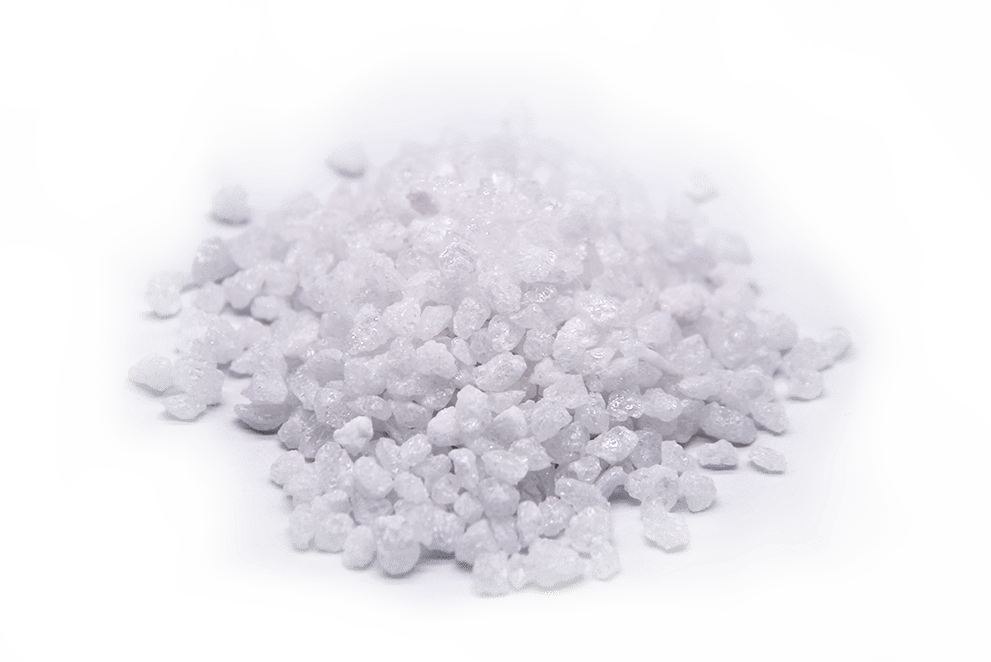
Tabular alumina, renowned for its remarkable physical and chemical properties, has become a cornerstone material in a variety of industrial applications. As a vital form of alumina (Al₂O₃) known for its high density, purity, and exceptional thermal and mechanical properties, tabular alumina continues to revolutionize manufacturing and production processes across multiple sectors. Its diverse range of uses is supported by advancements in technology and stringent quality controls, ensuring it meets the stringent demands of today’s industries.
### What is Tabular Alumina?
Tabular alumina is produced by sintering calcined alumina lumps at extremely high temperatures, resulting in a dense material composed primarily of alpha-alumina. It exhibits superior hardness, excellent corrosion resistance, and outstanding thermal stability, making it an indispensable raw material in the manufacture of refractory and abrasive products. Its characteristics include high strength, low porosity, and a low coefficient of expansion, which make it ideal in applications requiring durability in harsh environments.
### Diverse Industrial Applications of Tabular Alumina
#### 1. Refractories Industry
One of the primary uses of tabular alumina is in the refractory industry, where it serves as a key raw material for manufacturing high-quality refractory bricks, castables, and monolithic refractories. The refractory materials made from tabular alumina provide outstanding resistance to thermal shock, high temperature corrosion, and mechanical wear. These properties are essential for furnaces, kilns, and reactors used in steelmaking, cement production, glass manufacturing, and non-ferrous metal smelting.
Tabular alumina’s ability to withstand temperatures above 1750°C without significant deformation or degradation ensures the longevity and efficiency of refractory linings. This translates to fewer shutdowns and lower maintenance costs, enhancing overall operational productivity for industries reliant on high-temperature processes.
#### 2. Abrasives Manufacturing
Due to its exceptional hardness and high purity, tabular alumina is widely utilized in the production of advanced abrasives. These abrasives are employed in surface finishing, grinding, cutting, and polishing of metals, stones, and ceramics. Their consistent grain size and durability guarantee efficient material removal rates and smoother finishes.
The abrasives that incorporate tabular alumina find applications in automotive manufacturing, aerospace, and precision engineering, where tight tolerances and surface integrity are crucial. Additionally, they are used in specialized tasks such as waterjet cutting and refractory grinding.
#### 3. Ceramic Industry
Tabular alumina is also pivotal in the production of advanced ceramics. Its fine crystalline structure and thermal properties improve the strength and stability of ceramic components. Industries that manufacture electronic substrates, insulators, and wear-resistant ceramic parts rely on tabular alumina to enhance the performance and durability of their products.
Moreover, the use of tabular alumina in ceramics allows for the creation of components that can operate in extreme environmental conditions, such as in aerospace and defense applications.
#### 4. Other Applications
Beyond refractories, abrasives, and ceramics, tabular alumina has found specialized uses in other sectors. For example, it serves as a key ingredient in some catalysts and catalyst carriers in the chemical industry due to its chemical inertness and structural stability. Additionally, its thermal conductivity and electrical insulation properties have prompted its use in advanced electronic devices and heat exchangers.
### Commitment to Quality and Innovation
Behind the extensive applications of tabular alumina lies the expertise and dedication of industry leaders who prioritize quality, innovation, and sustainability. One such leader is **HENAN JUNSHENG REFRACTORIES LIMITED**, a manufacturer and trader specializing in refractory and abrasive raw materials with over 20 years of experience. The company has built a solid reputation by producing a series of high-quality refractory materials, relying on advanced science and technology paired with modern equipment and rigorous process management.
HENAN JUNSHENG’s commitment to quality is evident in its strict control measures throughout the manufacturing process, ensuring that every batch of tabular alumina meets precise specifications. This level of quality assurance guarantees that customers receive materials that perform reliably in demanding environments, enhancing the operational efficiency of their end-use applications.
Furthermore, the company’s continuous investment in research and development promotes innovation, allowing it to adapt to changing market needs and technological advancements. This proactive approach fosters the improvement of product characteristics such as grain size uniformity, purity levels, and sintering quality, thereby expanding the potential of tabular alumina in existing and emerging industrial fields.
### Future Prospects of Tabular Alumina
As industrial processes advance and environmental regulations become more stringent, the demand for materials like tabular alumina, which can withstand higher temperatures and more aggressive conditions, is expected to grow. Developments in green steel production, renewable energy technologies, and high-performance electronics present new opportunities for tabular alumina applications.
In particular, the push for sustainable manufacturing practices will likely drive innovations that reduce energy consumption and material waste in refractories and abrasives production. Tabular alumina’s durability and efficiency align well with these sustainability goals, positioning it as a critical material in the development of eco-friendly industrial solutions.
### Conclusion
Tabular alumina has firmly established itself as a versatile and essential raw material across various industries, underpinning processes that require robust thermal resistance, mechanical strength, and chemical stability. With its widespread applications in refractories, abrasives, ceramics, and beyond, it plays a vital role in advancing industrial technologies and improving operational performance.
Supported by manufacturers with decades of experience and a robust commitment to quality, such as HENAN JUNSHENG REFRACTORIES LIMITED, the future of tabular alumina looks promising. As industries continue to evolve, tabular alumina’s unique properties will unlock new potentials and contribute significantly to the growth and sustainability of modern manufacturing.
---
This comprehensive overview highlights the importance of tabular alumina in today’s industrial landscape, reflecting both its practical applications and the expertise of producers who ensure its quality and reliability.