
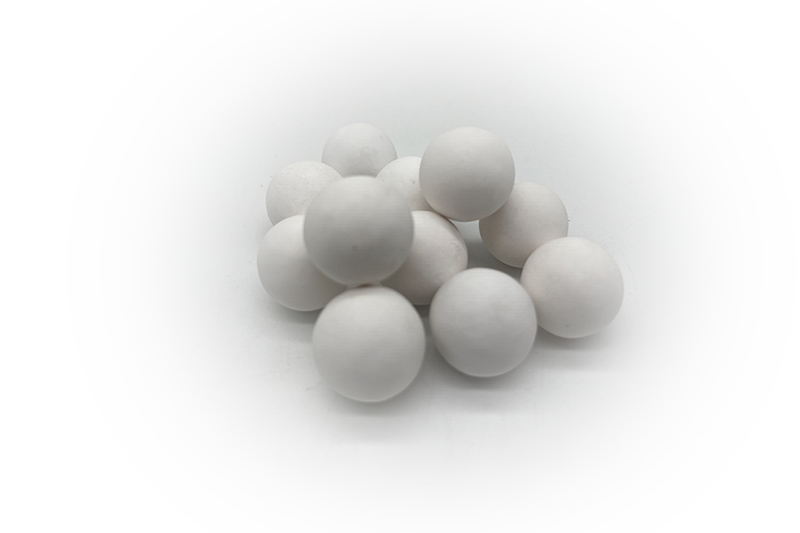
In the world of refractory and abrasive raw materials, two names consistently stand out for their widespread industrial applications and exceptional performance: zirconia and aluminum oxide. Both materials are crucial in various manufacturing processes, yet they possess distinct properties that make them suitable for different purposes. Understanding the differences between zirconia and aluminum oxide can help manufacturers and traders make informed decisions about material selection to optimize quality, durability, and performance.
**About the Manufacturer**
With over 20 years of expertise, HENAN JUNSHENG REFRACTORIES LIMITED is a leading manufacturer and trader specializing in refractory and abrasive raw materials. Leveraging advanced science and technology, coupled with modern equipment and stringent process management, the company produces a series of high-quality refractory materials that meet the evolving demands of various industries.
---
### Zirconia: High Performance and Versatility
Zirconia, also known as zirconium dioxide (ZrO₂), is a ceramic material renowned for its exceptional mechanical properties, chemical stability, and resistance to wear and corrosion. Thanks to its unique characteristics, zirconia is widely used in applications such as thermal barrier coatings, dental ceramics, fuel cells, and, notably, in refractory and abrasive materials.
**Key Properties and Advantages**
1. **High Toughness and Strength:** Zirconia exhibits a high fracture toughness compared to other ceramics, making it less prone to cracking under mechanical stress.
2. **Thermal Stability:** It withstands high temperatures—typically up to around 2400°C—making it ideal for use in kilns, furnaces, and other high-temperature environments.
3. **Chemical Resistance:** Zirconia is highly resistant to corrosive chemicals, including acids and alkalis, which enhances its durability in aggressive chemical environments.
4. **High Wear Resistance:** Its wear resistance makes it a preferred choice for abrasive applications and prolonged use in mechanical parts exposed to friction.
**Applications**
Because of these attributes, zirconia-based refractory products are used extensively in metallurgical processes, ceramics manufacturing, and glass production. Its abrasive counterparts are favored for grinding, cutting, and polishing applications, particularly where a high level of precision and durability are required.
---
### Aluminum Oxide: The Industrial Workhorse
Aluminum oxide, or alumina (Al₂O₃), is one of the most abundant and widely used ceramic materials in both refractories and abrasives industries. It is valued for its hardness, thermal conductivity, and chemical inertness, making it an indispensable material across various sectors.
**Key Properties and Advantages**
1. **Hardness and Abrasiveness:** Aluminum oxide rates about 9 on the Mohs hardness scale, offering excellent resistance to scratching and abrasion, which is critical for grinding and polishing tasks.
2. **Thermal Conductivity:** It provides good thermal conductivity, allowing for effective heat distribution and dissipation in high-temperature environments.
3. **Oxidation Resistance:** Aluminum oxide maintains its physical properties at elevated temperatures and resists oxidation, contributing to its longevity in refractory applications.
4. **Cost-Effectiveness:** Compared to zirconia, alumina is generally more cost-efficient, making it a popular choice for large-scale industrial use.
**Applications**
Aluminum oxide’s versatility renders it suitable for a broad spectrum of refractory products like kiln furniture, insulating bricks, and wear-resistant linings. On the abrasive front, it is a staple material for sandpapers, grinding wheels, blasting media, and polishing compounds.
---
### Zirconia vs Aluminum Oxide: Which Material to Choose?
While both zirconia and aluminum oxide have distinguished themselves as leaders in refractory and abrasive materials, choosing between them largely depends on specific usage requirements, performance criteria, and economic considerations.
**Performance Differences**
- **Strength and Toughness:** Zirconia offers superior toughness and fracture resistance, making it more suitable for demanding applications that require durability under mechanical stress.
- **Temperature Resistance:** Zirconia generally withstands higher temperatures than aluminum oxide, providing advantages in extreme thermal environments.
- **Cost:** Alumina is more cost-effective, which can influence decisions where budget constraints are critical without significantly compromising performance.
- **Wear Resistance:** Both materials offer excellent wear resistance, but zirconia’s toughness gives it an edge in applications where impact or shock loading occurs.
**Typical Use Scenarios**
- **For Extreme Conditions:** Zirconia is preferred in advanced refractory linings and precision abrasive tools due to its high resilience and thermal stability.
- **For General Industrial Applications:** Aluminum oxide is widely used in standard refractory bricks, kiln furniture, and abrasive products where high efficiency at a lower cost is needed.
---
### HENAN JUNSHENG REFRACTORIES LIMITED’s Commitment to Quality
With a rich heritage spanning over two decades, HENAN JUNSHENG REFRACTORIES LIMITED stands at the forefront of refractory and abrasive raw material manufacturing. The company’s dedication to integrating state-of-the-art science and modern manufacturing equipment ensures consistently high product quality. Its rigorous process control and management strategies underpin the production of an extensive range of refractory materials tailored to meet the critical demands of different industries.
By offering both zirconia and aluminum oxide-based materials, HENAN JUNSHENG REFRACTORIES LIMITED provides versatile solutions that cater to diverse industrial needs. Customers benefit from the company’s expert technical support and high-performance products designed for longevity, efficiency, and cost-effectiveness.
---
### Conclusion
Zirconia and aluminum oxide remain two pivotal materials in the refractory and abrasive sectors, each bringing distinct strengths and benefits. While zirconia excels in toughness and high-temperature applications, aluminum oxide offers reliable performance at a more economical price point. Understanding their properties allows industries to select the ideal material for their specific operational challenges.
As a trusted supplier with over 20 years of experience, HENAN JUNSHENG REFRACTORIES LIMITED continues to innovate and provide high-quality raw material solutions that harness the unique advantages of both zirconia and aluminum oxide. Their commitment to quality and technology-driven manufacturing ensures that clients receive materials that enhance productivity, reduce downtime, and improve overall operational success.