
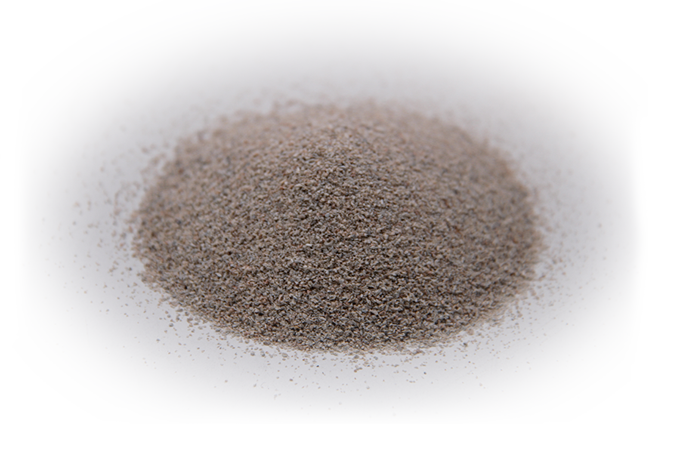
In recent years, the refractory materials industry has witnessed significant advancements, driven by the need for materials with superior performance in high-temperature environments. One such breakthrough is the increased utilization and development of magnesia spinel, a compound known for its excellent thermal stability, mechanical strength, and corrosion resistance. This advancement marks a new chapter in refractory technology, offering enhanced solutions to industries such as steelmaking, cement, and petrochemicals.
Magnesia spinel is a complex oxide combining magnesia (MgO) and alumina (Al2O3) in a spinel structure, allowing it to inherit the benefits of both components. This unique composition provides exceptional resistance to slag corrosion, high melting points, and excellent thermal shock resistance, making it an ideal material for lining furnaces, kilns, and reactors that operate under extreme conditions.
The growing demand for magnesia spinel refractories is closely linked to the evolving requirements of heavy industries for more durable and efficient materials. Traditional refractory solutions, while effective, often face limitations when exposed to intense thermal cycling and aggressive chemical environments. Magnesia spinel addresses these challenges by maintaining structural integrity and performance over prolonged periods, thus reducing maintenance costs and downtime.
One notable player contributing to the advancement and production of magnesia spinel products is a company with over two decades of expertise in refractory and abrasive raw materials manufacturing. This company, with a firm commitment to quality and innovation, has been instrumental in developing a range of high-quality refractory products that incorporate advanced science and technology. Their approach combines cutting-edge equipment with strict process management and control, ensuring consistency and excellence in every batch.
Leveraging more than 20 years of industry experience, the company has built a robust production system that caters to the diverse needs of its clients across various sectors. Their products, including those based on magnesia spinel, are recognized for their superior physical and chemical properties. This reputation stems from a deliberate focus on research and development, enabling the company to refine formulations and optimize firing processes that enhance the performance of spinel-based refractories.
Moreover, the integration of modern equipment enables precision in raw material processing and quality control. This technological advantage allows the company to tailor products that meet specific operational requirements, such as customized grain size distribution, purity levels, and thermal properties. Such customization further amplifies the benefits of magnesia spinel, ensuring these materials deliver maximum efficiency and longevity in demanding industrial applications.
Industries relying heavily on refractory materials stand to gain significantly from these advancements. For steel producers, using magnesia spinel linings can lead to extended furnace life and improved energy efficiency. Cement factories that deploy these materials in rotary kilns benefit from enhanced resistance to corrosive atmospheres and abrasive wear. Similarly, petrochemical plants find that magnesia spinel refractories offer reliable protection against the harsh environments encountered in cracking units and reformers.
Environmental considerations also support the adoption of magnesia spinel refractories. Longer service life reduces the frequency of replacements and associated waste, contributing to more sustainable industrial processes. Additionally, the company’s focus on stringent process controls minimizes production waste and ensures efficient use of raw materials, aligning with broader ecological goals.
Looking ahead, ongoing research into magnesia spinel composites and hybrid materials promises further performance improvements. The company’s commitment to innovation positions it well to capitalize on these developments, potentially introducing new product lines that push the boundaries of what refractory technology can achieve.
In conclusion, magnesia spinel represents a significant evolution in refractory materials, offering unparalleled benefits in thermal stability, corrosion resistance, and mechanical strength. With manufacturers who bring decades of expertise and a dedication to quality, the industry is poised to meet increasing demands for robust and efficient refractory solutions. This progress not only enhances industrial productivity but also supports sustainable practices in critical manufacturing sectors. As the refractory landscape continues to evolve, magnesia spinel stands out as a material of choice for the future.